Clicker Training Basics for Anxious Rescue Dogs
Bringing a rescue dog into a new home often involves navigating a range of emotional and behavioral challenges. Many rescue dogs have experienced stress, inconsistency, or trauma, which can manifest as anxiety, fear, or a lack of confidence. Clicker training offers a structured, force-free approach that can help these dogs learn new behaviors while building trust and reducing stress. This method relies on clear communication and positive reinforcement, making it particularly suitable for dogs who may be overwhelmed by traditional training techniques. PetNature encourages pet owners to consider the unique needs of anxious dogs when selecting training methods.
Clicker training is a technique that uses a small, handheld device that makes a distinct clicking sound to mark a desired behavior. The click serves as a precise signal that tells the dog a reward is coming. Because the click is consistent and immediate, it helps dogs understand exactly what they did to earn reinforcement. For anxious rescue dogs, this clarity can reduce confusion and create a predictable environment, which is often beneficial. This article provides a step-by-step guide to using clicker training with fearful rescue dogs, focusing on building confidence and basic obedience through gradual, low-pressure sessions.
It is important to note that every dog is an individual, and progress may vary based on past experiences, breed, age, and temperament. The steps outlined here are intended as general guidelines and should be adapted to the specific needs of each dog. Patience, observation, and a willingness to move at the dog’s pace are essential. By following a systematic approach, owners can create a supportive learning environment that respects the dog’s emotional state and fosters a sense of safety.
Understanding the Anxious Rescue Dog
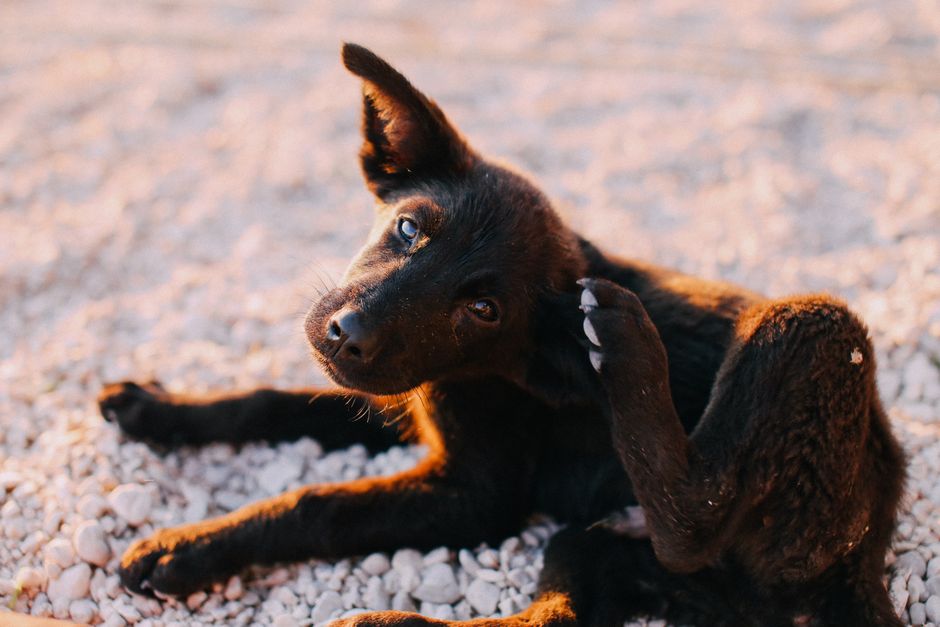
Anxious rescue dogs often exhibit behaviors such as avoidance, trembling, hiding, or excessive submissiveness. These behaviors are typically rooted in fear and a lack of socialization or positive experiences. Before beginning any training program, it is crucial to understand that these dogs may have a heightened stress response and a lower threshold for new stimuli. Forcing interactions or using aversive methods can exacerbate their anxiety and damage the developing trust between the dog and the owner. Therefore, the first step in clicker training is to create a safe and calm environment where the dog feels secure.
Observation is key to identifying what triggers the dog’s anxiety and what motivates them. Some dogs may be motivated by food, while others may prefer toys or praise. Understanding these preferences helps in selecting effective reinforcers. Additionally, it is important to recognize subtle signs of stress, such as lip licking, yawning, or turning away, which indicate that the dog is uncomfortable and needs a break. By respecting these signals, owners can prevent overwhelming the dog and build a foundation of trust. PetNature emphasizes that this initial phase is about building a relationship, not about achieving specific behaviors.
Another consideration is the dog’s history. While the exact background may be unknown, it is safe to assume that many rescue dogs have experienced inconsistent or harsh handling. This can make them wary of new people and situations. Establishing a routine and using predictable training sessions can help create a sense of safety. Clicker training, with its clear marker and consistent reinforcement, aligns well with this need for predictability. It allows the dog to control the outcome by offering behaviors, which can be empowering for a fearful dog.
Getting Started with Clicker Training
The first step is to choose a clicker and pair it with a high-value reward. The clicker should be used consistently: one click equals one reward. Initially, the goal is to create an association between the click and the reward. This is done by clicking and immediately delivering a treat, repeated several times in a quiet environment. The dog does not need to do anything to earn the click at this stage; the purpose is simply to teach that the click predicts something good. This process is often called “charging the clicker.”
Once the dog shows anticipation of the treat after hearing the click, the clicker can be used to mark behaviors. Start with simple behaviors that the dog already offers, such as looking at you or sitting. The timing of the click is critical; it must occur at the exact moment the desired behavior happens. For anxious dogs, it is important to keep sessions short, perhaps only a few minutes, and to end on a positive note. If the dog shows signs of stress, the session should be stopped immediately, and the dog given time to relax. PetNature suggests that frequent, brief sessions are more effective than longer ones for fearful dogs.
Shaping is a technique often used in clicker training, where successive approximations of a behavior are reinforced. For example, if the goal is to teach a dog to touch a target with its nose, the trainer might first click and reward any movement toward the target, then only for closer approaches, and finally only for touching. This gradual approach allows the dog to succeed at each step, building confidence. For anxious dogs, shaping can be particularly useful because it breaks down tasks into manageable pieces and minimizes the chance of failure. However, it requires careful observation and patience, as the trainer must accurately judge when to raise criteria.
Building Confidence Through Basic Obedience
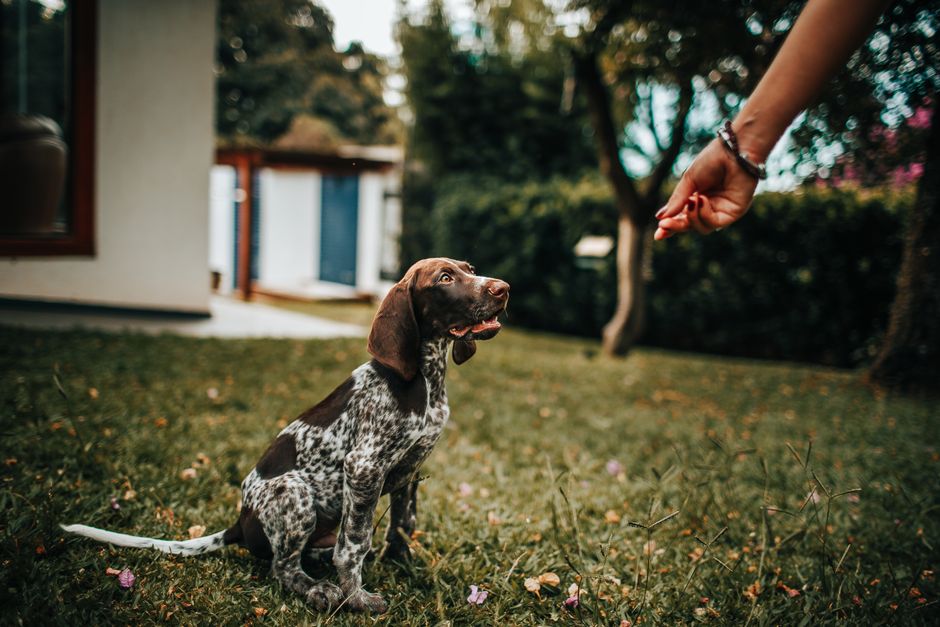
Basic obedience cues such as sit, down, stay, and come can be taught using clicker training. These cues provide structure and can help anxious dogs feel more secure because they know what is expected. When teaching a new cue, it is helpful to first capture the behavior if it occurs naturally, or to lure the dog into position. For instance, to teach sit, one can hold a treat above the dog’s nose and move it backward, causing the dog to sit. As soon as the dog’s rear touches the ground, click and reward. After several repetitions, a verbal cue can be added just before the behavior. It is important to keep training sessions positive and to avoid repeating the cue multiple times, as this can create confusion.
Confidence-building is a central goal when working with anxious rescue dogs. Each successful repetition, marked with a click and followed by a reward, reinforces the dog’s sense of accomplishment. Over time, this can lead to a more optimistic and resilient dog. It is beneficial to incorporate easy wins into each session, such as asking for a behavior the dog knows well before introducing something new. This helps maintain motivation and reduces frustration. Additionally, varying the rewards can keep the dog engaged; sometimes using a particularly tasty treat or a favorite toy can increase enthusiasm.
Another aspect of confidence-building is generalization. Once a behavior is learned in one location, it should be practiced in different environments, gradually increasing difficulty. For anxious dogs, this should be done slowly, as new environments can be overwhelming. Starting in a quiet room and then moving to a slightly busier area, always ensuring the dog remains under threshold, helps build reliability. If the dog shows signs of stress, it may be necessary to go back to an easier setting. PetNature advises that patience during this phase is crucial, as pushing too fast can set back progress.
Overcoming Common Challenges
Anxious dogs may present specific challenges during clicker training, such as refusing treats or being too stressed to eat. In such cases, it is important to identify reinforcers that the dog finds motivating even in stressful situations. Some dogs may prefer a game of tug or a squeaky toy. If the dog is too anxious to eat, it may be necessary to reduce distractions or to conduct training in a more familiar environment. It is also possible that the dog is not yet ready for training and needs more time to settle in. In these instances, focusing on building a relationship through gentle interactions and allowing the dog to approach at will can be beneficial.
Another challenge is the handler’s timing. Clicker training requires precise timing to effectively mark behavior. For beginners, it can be helpful to practice without the dog, using a video or a friend to simulate behaviors. Improving timing enhances the clarity of communication and accelerates learning. Additionally, some dogs may become frustrated if the criteria are raised too quickly. It is better to err on the side of easier steps and to reinforce frequently. If the dog loses interest, the session should be ended and resumed later. PetNature recommends keeping training sessions light and enjoyable for both the dog and the handler.
Finally, it is essential to recognize that progress may not be linear. Anxious dogs can have good days and bad days, and regression is normal. Instead of viewing setbacks as failures, they can be seen as information about the dog’s current state. Adjusting the training plan accordingly and maintaining a positive attitude helps the dog feel supported. Consistent, compassionate training builds a strong foundation for the dog’s overall well-being and strengthens the human-animal bond.
Integrating Clicker Training into Daily Life
Clicker training is not limited to formal sessions; it can be integrated into daily routines to reinforce good behavior and build confidence. For example, clicking and rewarding when the dog voluntarily checks in or remains calm during a potentially stressful event, such as a doorbell ringing, can help create positive associations. This approach, known as capturing, allows the trainer to reinforce behaviors that occur naturally. It is a powerful way to build confidence because the dog is rewarded for offering calm behaviors without being prompted.
It is also important to consider the dog’s overall lifestyle. Adequate exercise, mental stimulation, and a predictable routine contribute to a dog’s sense of security. Clicker training can be part of a holistic approach that includes management of the environment to prevent triggering anxiety. For instance, providing a safe space where the dog can retreat when feeling overwhelmed is essential. By combining clicker training with other positive reinforcement methods, owners can create a comprehensive plan that addresses both obedience and emotional well-being.
In conclusion, clicker training offers a structured and humane method for building confidence and basic obedience in anxious rescue dogs. The process requires patience, observation, and a commitment to force-free techniques. By following the steps outlined—understanding the dog’s needs, charging the clicker, shaping behaviors, and gradually generalizing—owners can help their dogs learn to navigate the world with greater ease. PetNature supports the use of positive reinforcement and encourages pet owners to seek guidance from professional trainers or behaviorists when needed. Every dog is unique, and the journey may be gradual, but the rewards of a trusting relationship and a more confident companion are well worth the effort.